 Product Development
 Product Development
How to describe plush handfeel without knowing fabric names
A practical way for buyers to describe soft, smooth, fuzzy, firm or floppy plush feel before choosing exact fabric terms.
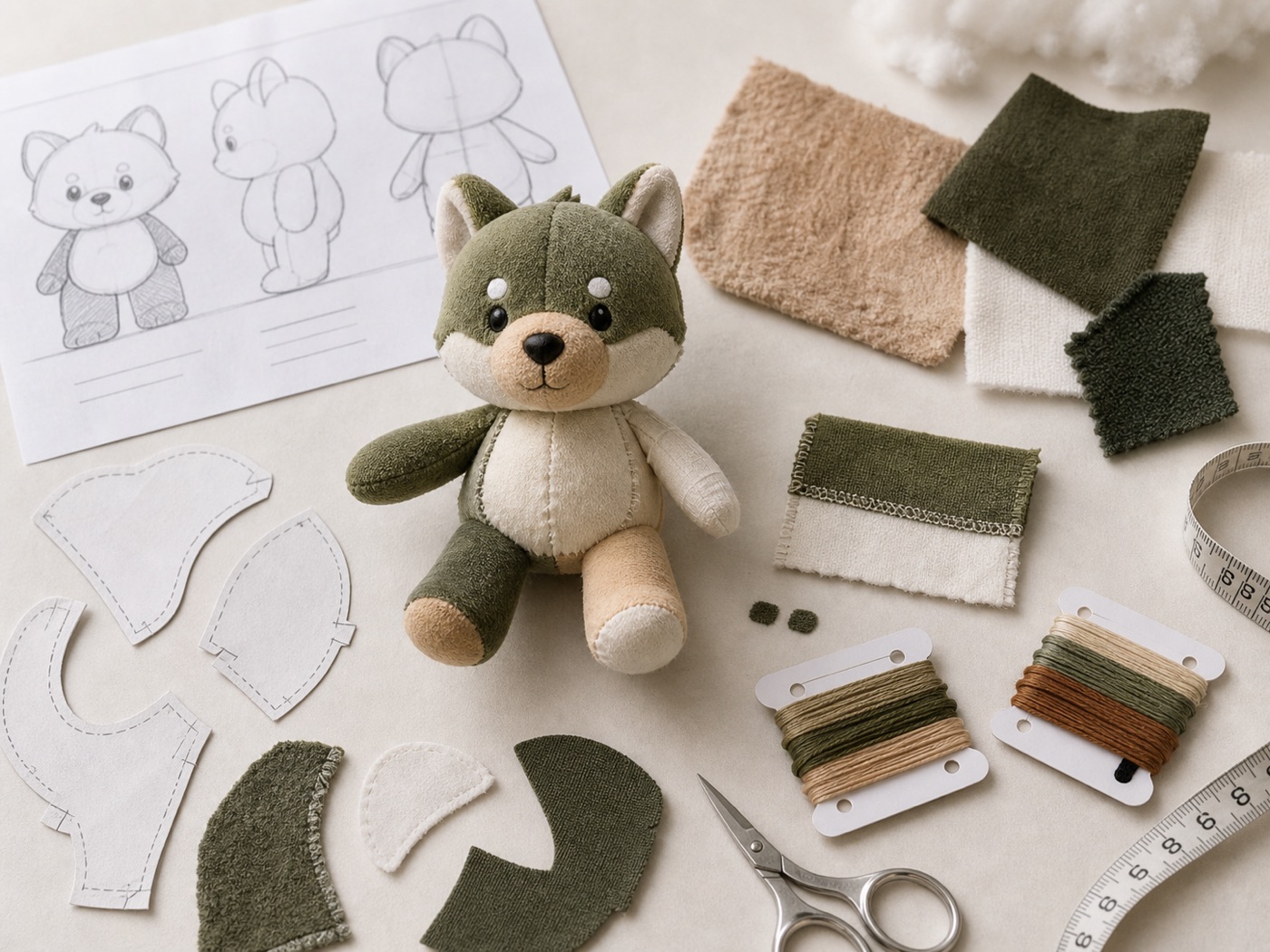
Stuffed animals, teddy bears and traditional soft toys are still the backbone of plush demand. JWC develops these classic formats to a buyer-owned spec — fur pile, body proportion, face style, jointing and size — instead of selling a fixed catalog. A strong animal or teddy range is often the anchor SKU a retail or gift program is built around.
| Best for | Retail toy lines, gift programs, classic teddy ranges and animal collections |
|---|---|
| Main cost drivers | Size, fur pile and fabric, body construction, jointing, embroidery and packaging |
| Design levers to own | Animal type, fur length, posture (sitting/standing), face style, size ladder |
| Common formats | Sitting animal, standing animal, classic teddy bear, family size ladder, boxed gift |
| What to clarify first | Animal/character, target size ladder, fabric handfeel and intended retail price tier |
Use the direction as a style starting point, then own the character, face system, size, materials and packaging. The goal is not a copied sample — it is a product direction that belongs to your brand.
Animal, teddy and traditional plush is still the backbone of plush demand, and it is usually the anchor item a retail or gift range is built around. The decisions that matter are fur pile and fabric, body proportion, jointing and a clear size ladder from small to large.
JWC develops these classic formats to a buyer-owned spec rather than pulling them from a fixed catalogue, so a teddy or animal range can stay consistent as it grows into multiple sizes and gift versions.
Typical directions we develop in this family — each starts from your artwork and is confirmed by RFQ.
A teddy bear plush is judged by familiar teddy details: muzzle shape, eye and nose method, ear proportion, paw pads, fur pile, sitting balance and whether the bear is jointed, fixed-limb, dressed or part of a size ladder.
View product →An animal plush starts with the creature itself: species, habitat, stance, markings and the features that make it recognizable. A dog, cat, rabbit, sea animal, farm animal or wildlife character may need different ears, tail, paws, fins, wings, snout, beak or body pose before pattern work begins.
View product →Jointed or fixed teddy with chosen fur pile and face style.
Recognisable animal built to your proportion and posture.
Small / medium / large versions of one hero animal.
Product Development A practical way for buyers to describe soft, smooth, fuzzy, firm or floppy plush feel before choosing exact fabric terms.
Prepare artwork, target size, quantity range, material direction, packaging notes, target market context and open questions before quote review.
Read guide →Describe surface feel, pile direction, filling feel, size context and open material questions before custom plush review.
Read guide →Understand how design, size, material direction, details, packaging, quantity context and production-route review affect quote assumptions.
Read guide →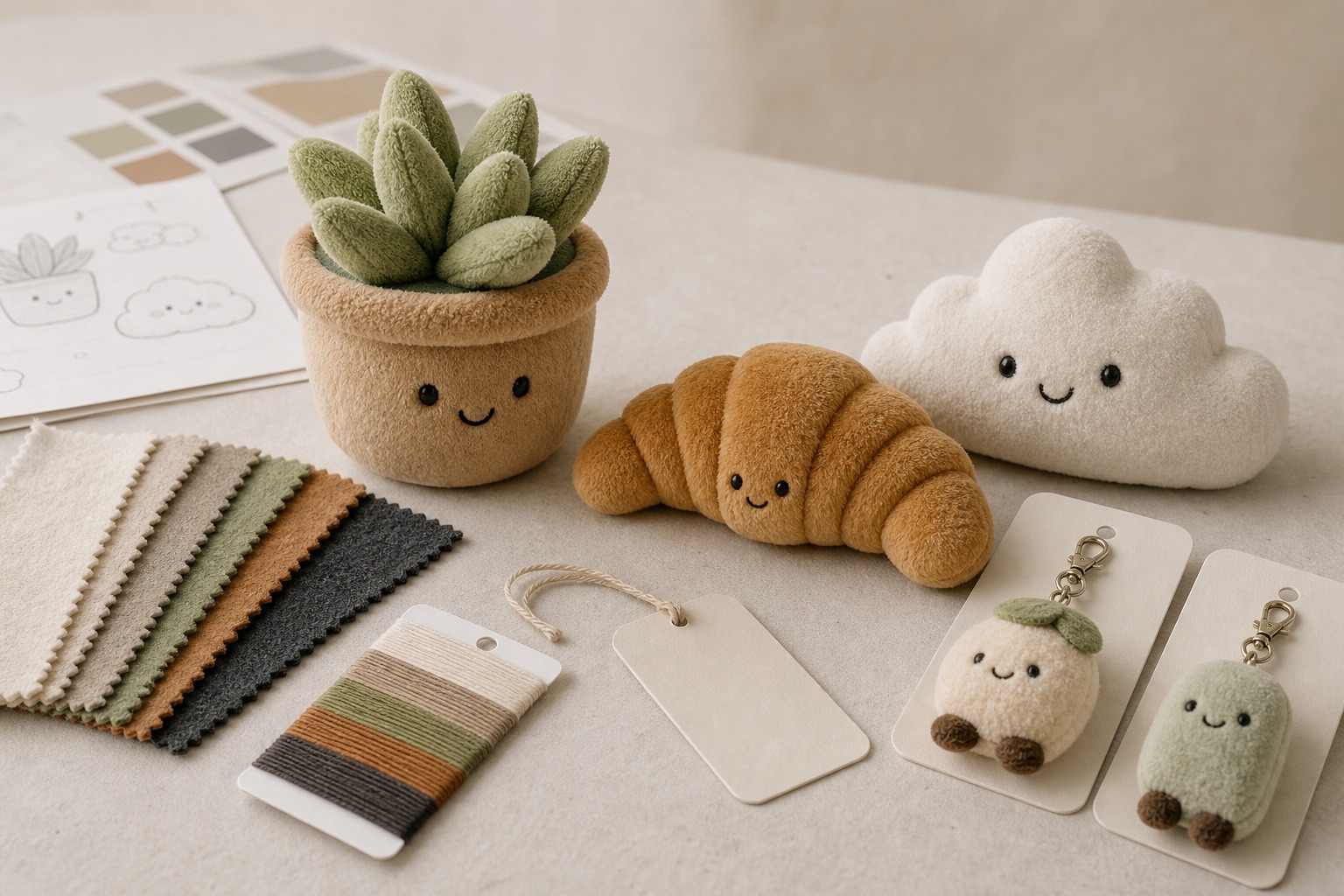
Potted-plant characters where the pot, leaf shape and face system make the object readable before it becomes a gift.
Develop this for your IP →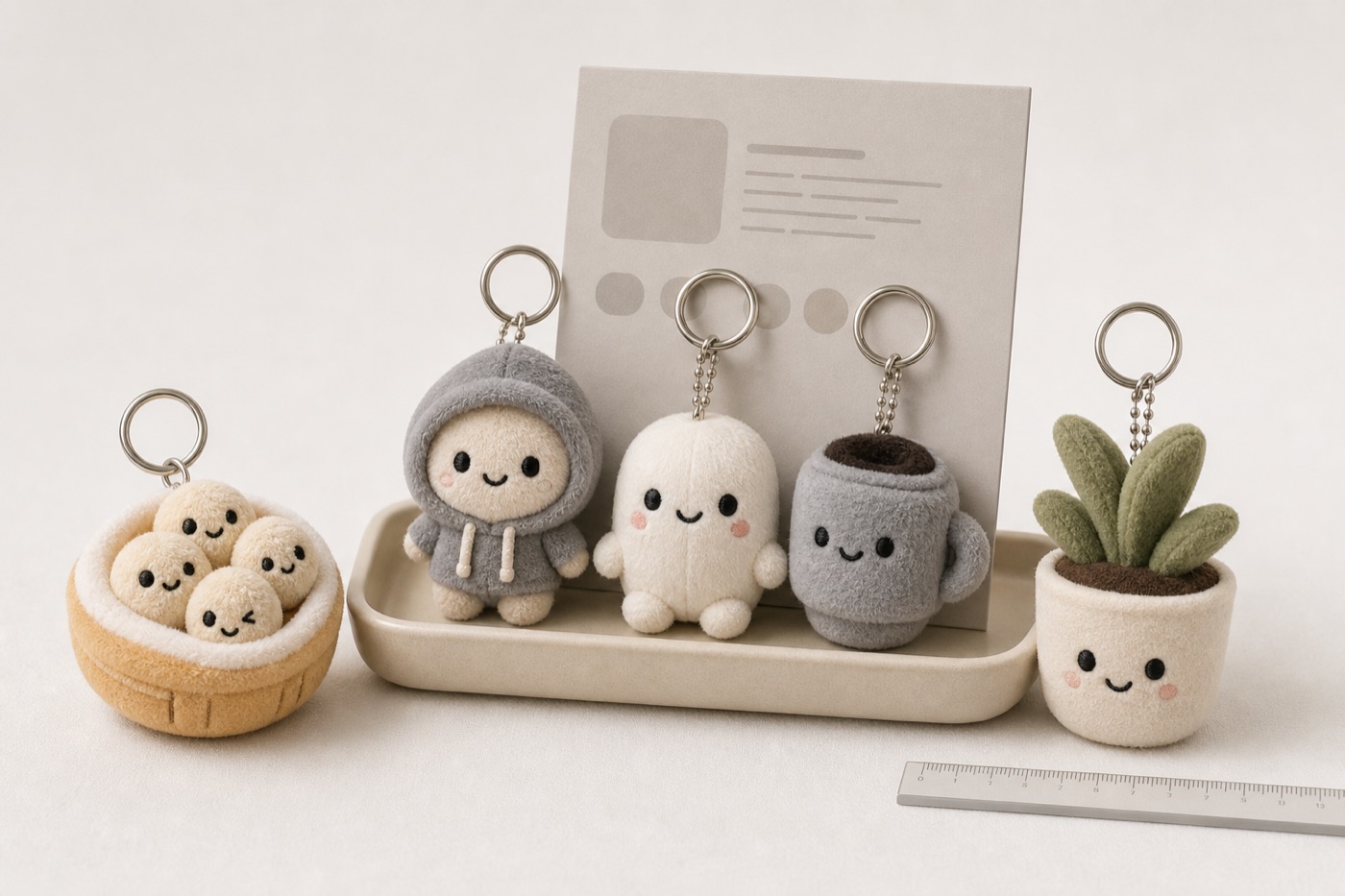
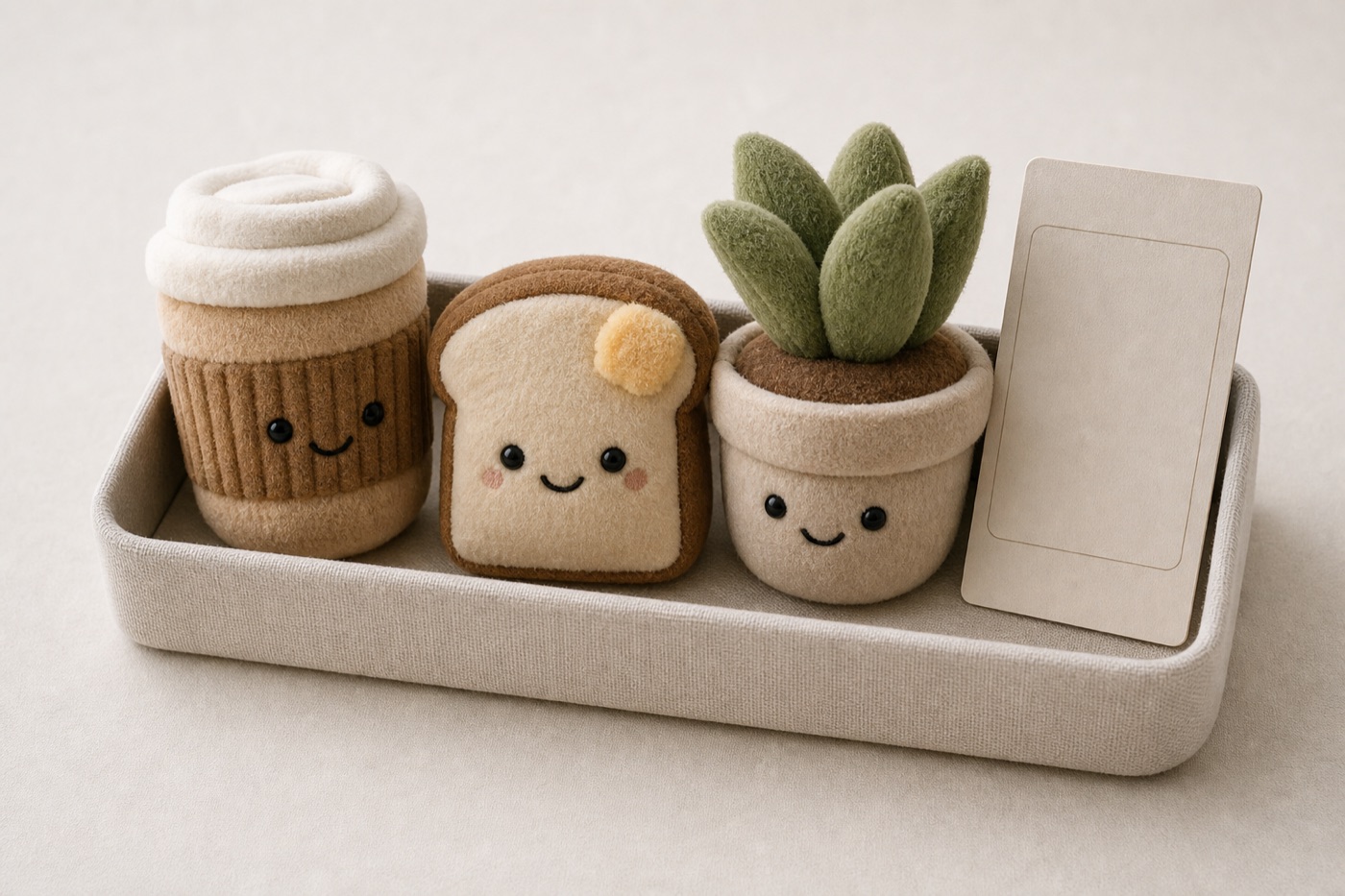
One food, drink or everyday object turned into a readable soft character, with silhouette and face placement decided before sampling.
Develop this for your IP →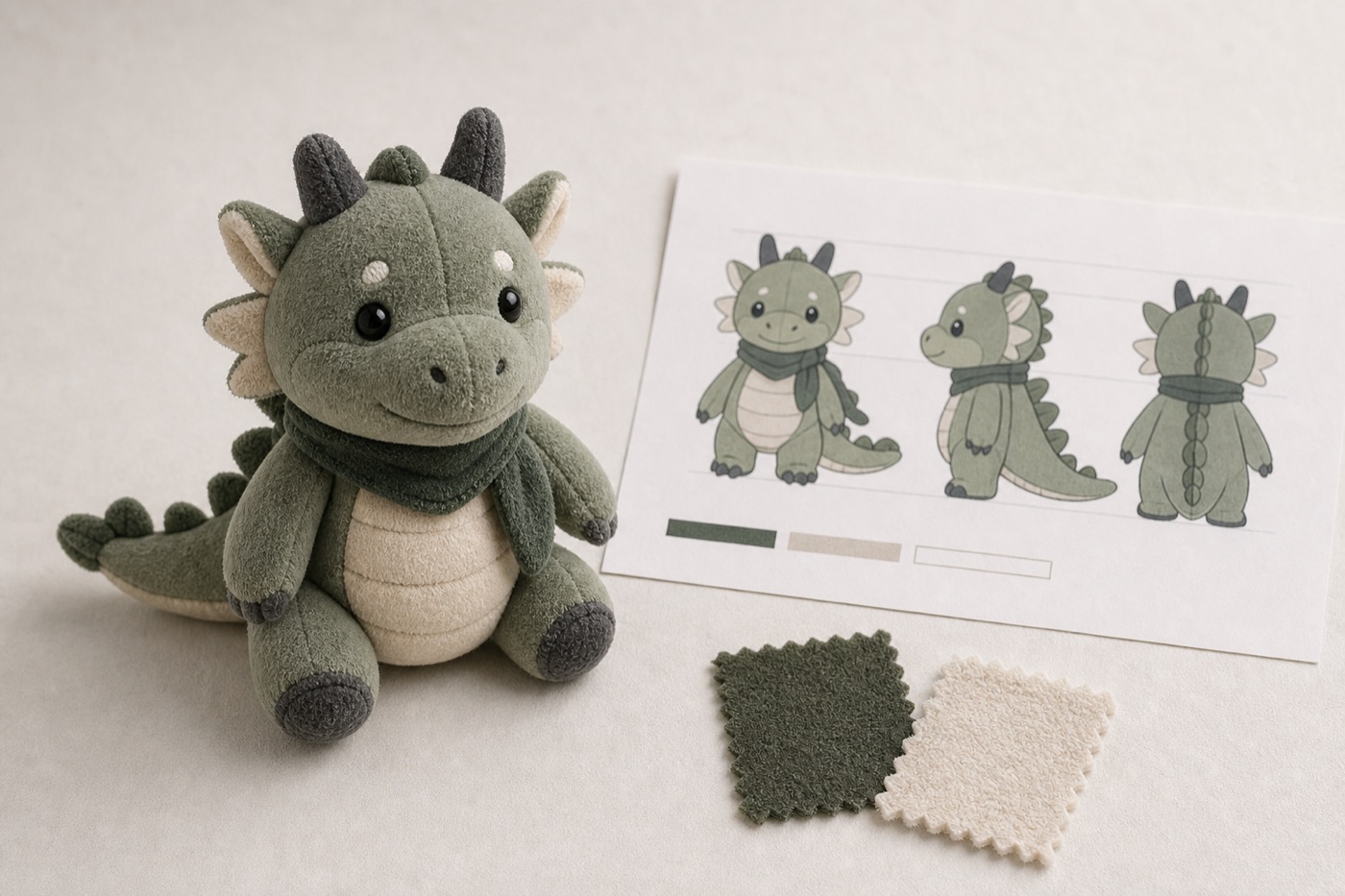
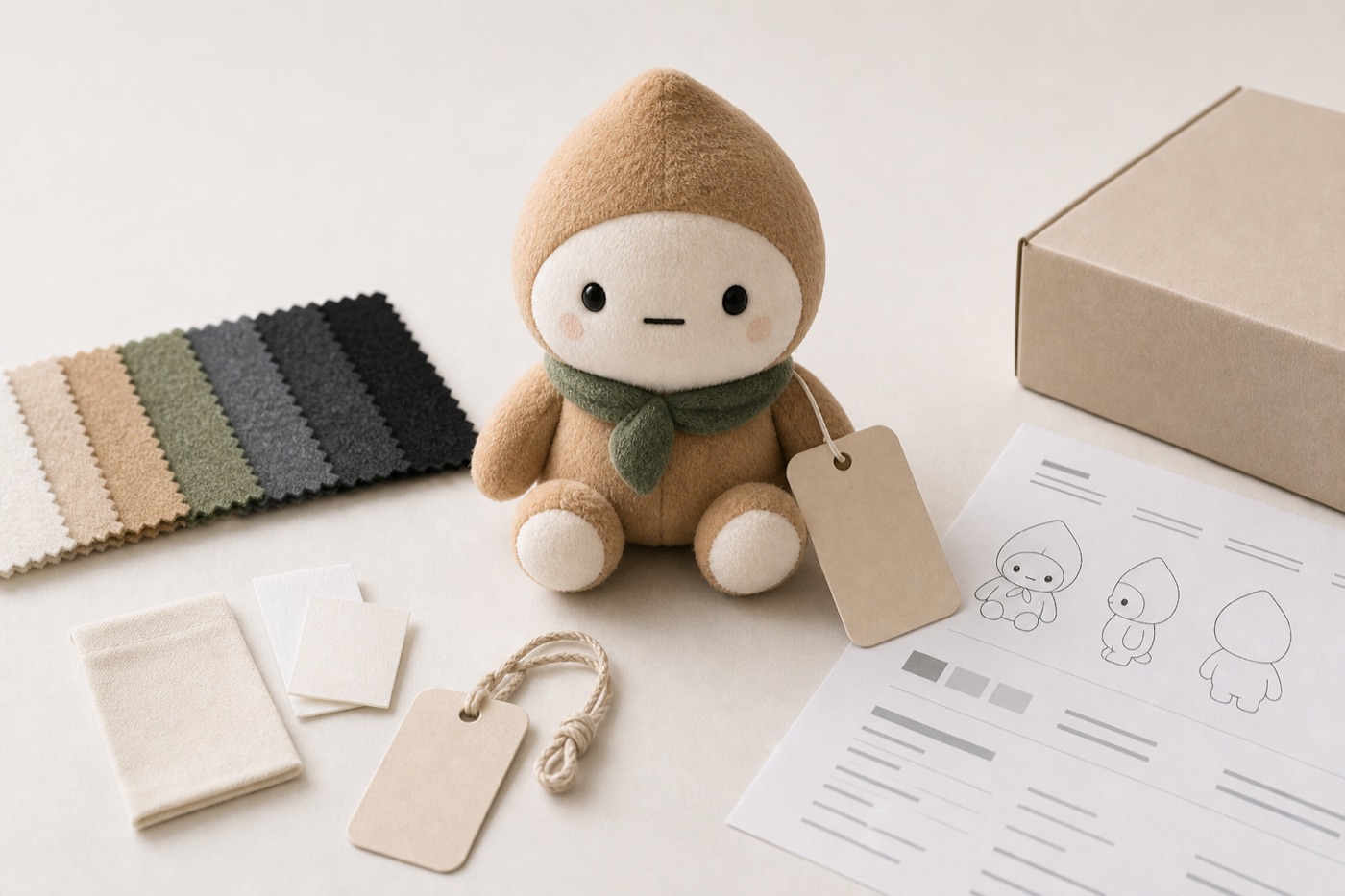
Expression-led, emotional-support characters with personality. The look that builds fandoms.
Develop this for your IP →Bring your character idea or target audience and we will map the sampling path, material direction, and packaging plan.