 Product Development
 Product Development
How to describe plush handfeel without knowing fabric names
A practical way for buyers to describe soft, smooth, fuzzy, firm or floppy plush feel before choosing exact fabric terms.
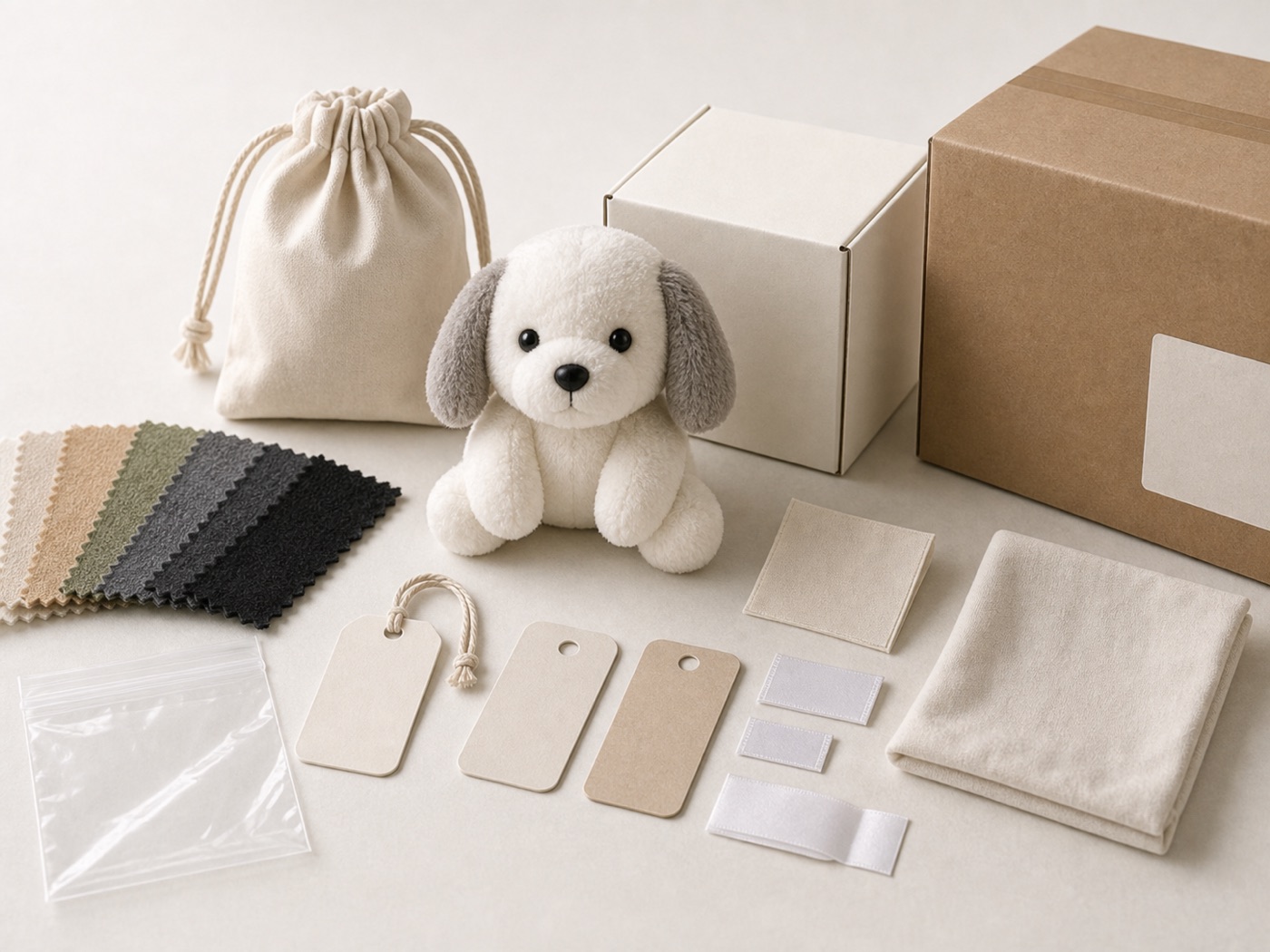
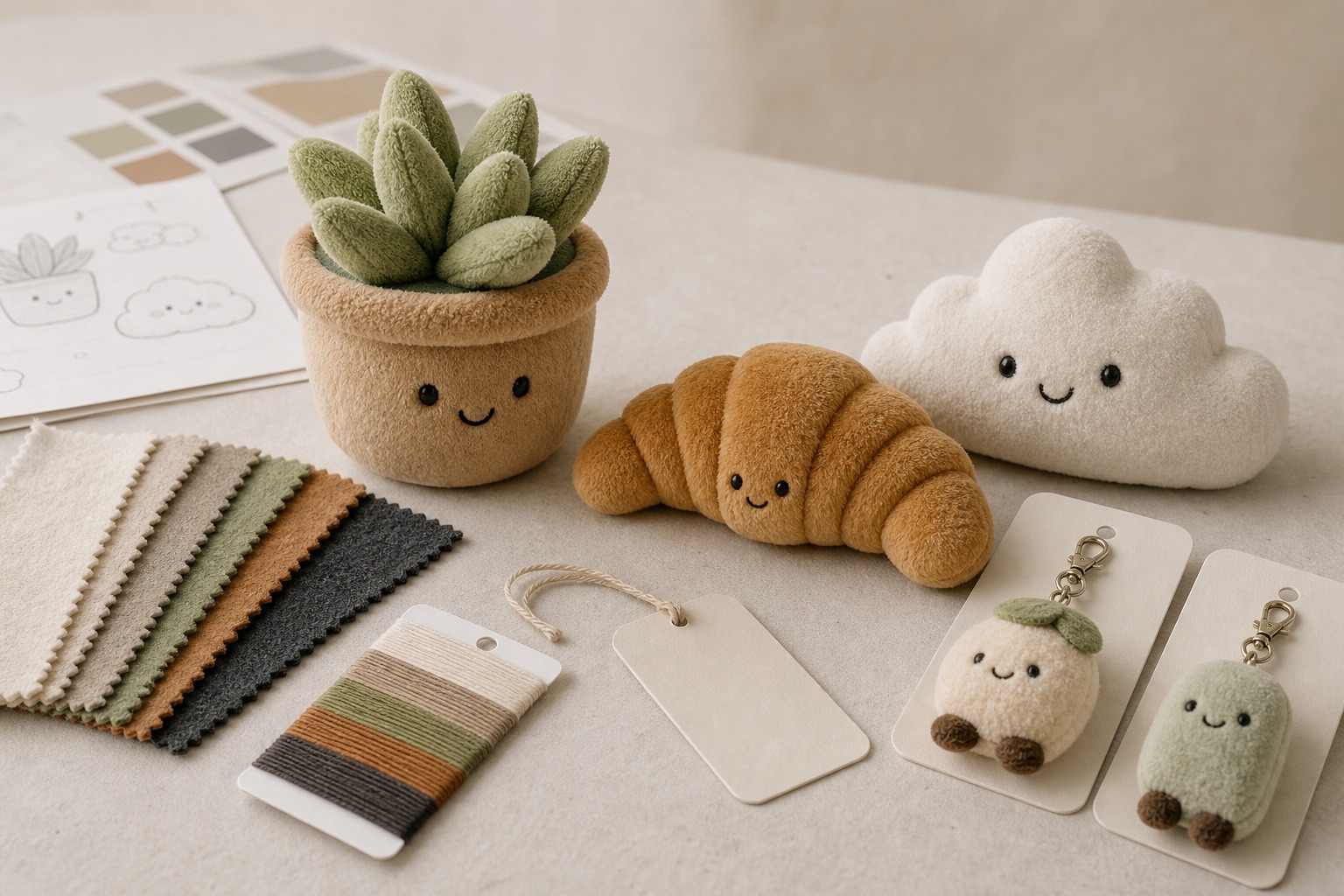
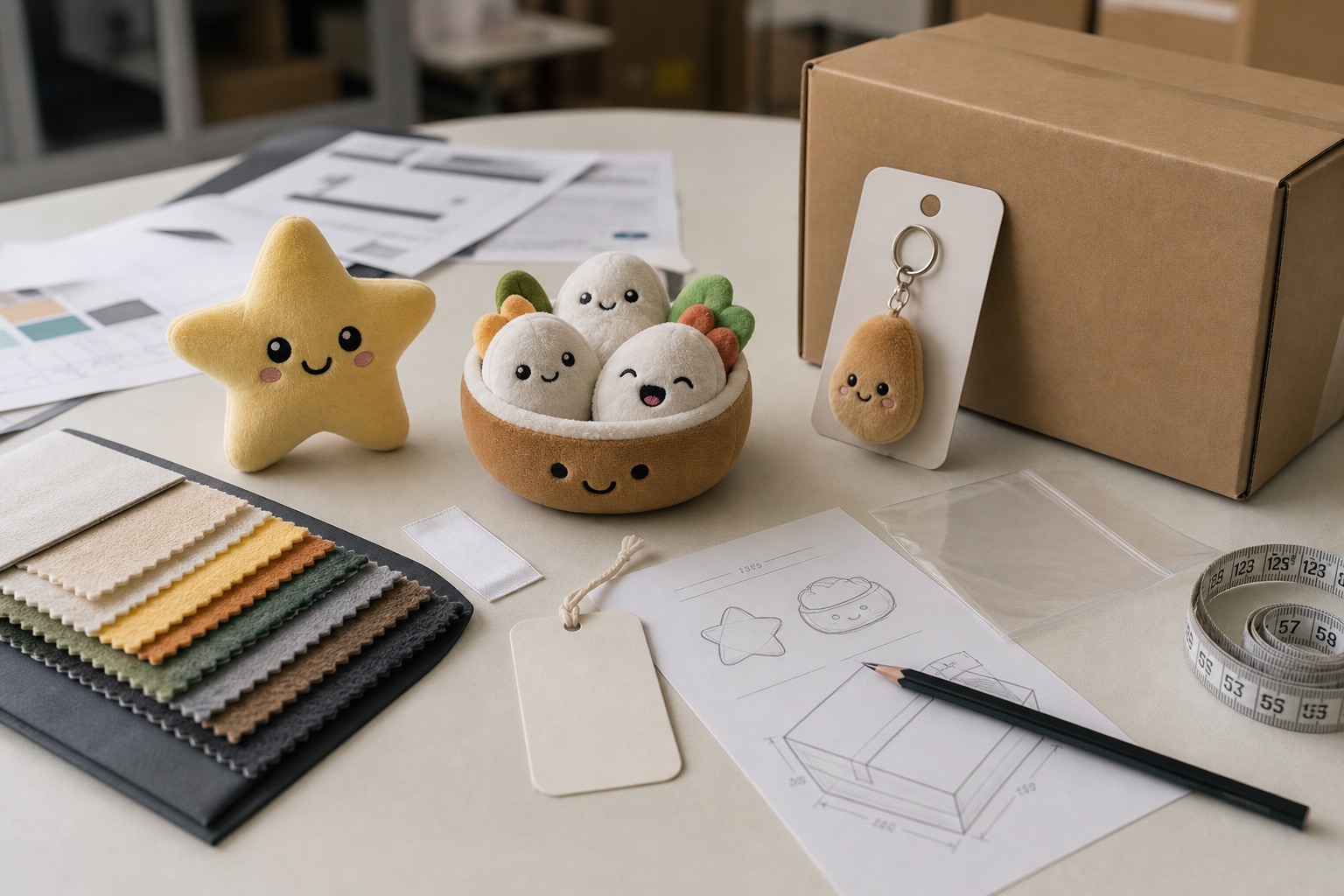
Larger soft-format plush and cushions where the main decisions are scale, panel shape, fill volume, firmness, fabric handfeel and whether the finished piece behaves more like decor or a handled plush. Packing is reviewed as a cube, compression and carton-planning question instead of the route owner.
| Best for | Large-format cushions, soft decor plush, lounge or room accents and oversized object plush |
|---|---|
| Main cost drivers | Finished size, panel shape, fill volume, firmness, fabric handfeel, shipping cube and compression choice |
| Design levers to own | Flat vs dimensional panels, edge thickness, seam placement, fill density, cover fabric and compressed or uncompressed packing |
| Common formats | Character cushion, object pillow, lounge accent plush, oversized soft-format plush |
| What to clarify first | Finished dimensions, decor vs toy role, target firmness, panel shape, seam-stress areas and carton assumptions |
Use the direction as a style starting point, then own the character, face system, size, materials and packaging. The goal is not a copied sample — it is a product direction that belongs to your brand.
Pillow and lifestyle plush moves a character out of the toy aisle and into home and decor. The defining decisions are finished scale, panel shape, fill volume and firmness — whether the piece should slump like decor or hold its shape like a handled plush.
Because larger soft formats change shipping cube, compression and carton planning are reviewed early in this direction rather than treated as an afterthought once the silhouette is locked.
Typical directions we develop in this family — each starts from your artwork and is confirmed by RFQ.
Panel shape, edge thickness and fill volume are planned together so the piece keeps its intended silhouette.
Fabric pile, stretch and fill density are chosen around how soft, supportive or floppy the format should feel.
Compression, polybag size and carton count are logistics inputs for larger volume plush, not the product story.
Product Development A practical way for buyers to describe soft, smooth, fuzzy, firm or floppy plush feel before choosing exact fabric terms.
Describe surface feel, pile direction, filling feel, size context and open material questions before custom plush review.
Read guide →Compare basic protection, hang tags, insert cards, retail packaging and gift-ready presentation before requesting a custom plush quote.
Read guide →Prepare carton size, CBM, gross weight, packing method, shipment quantity, Incoterms context and freight-forwarder questions before shipping custom plush orders.
Read guide →Potted-plant characters where the pot, leaf shape and face system make the object readable before it becomes a gift.
Develop this for your IP →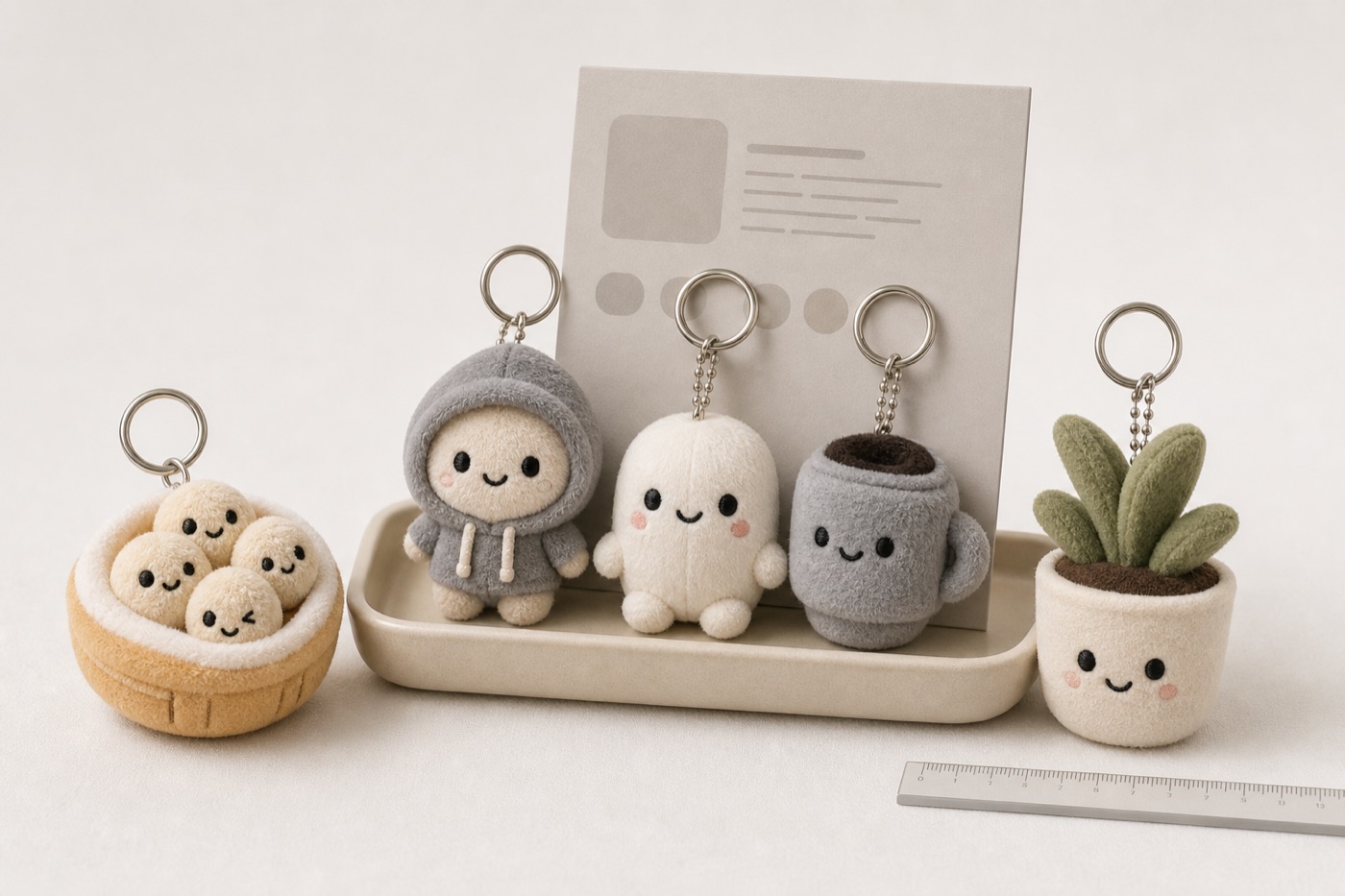
One food, drink or everyday object turned into a readable soft character, with silhouette and face placement decided before sampling.
Develop this for your IP →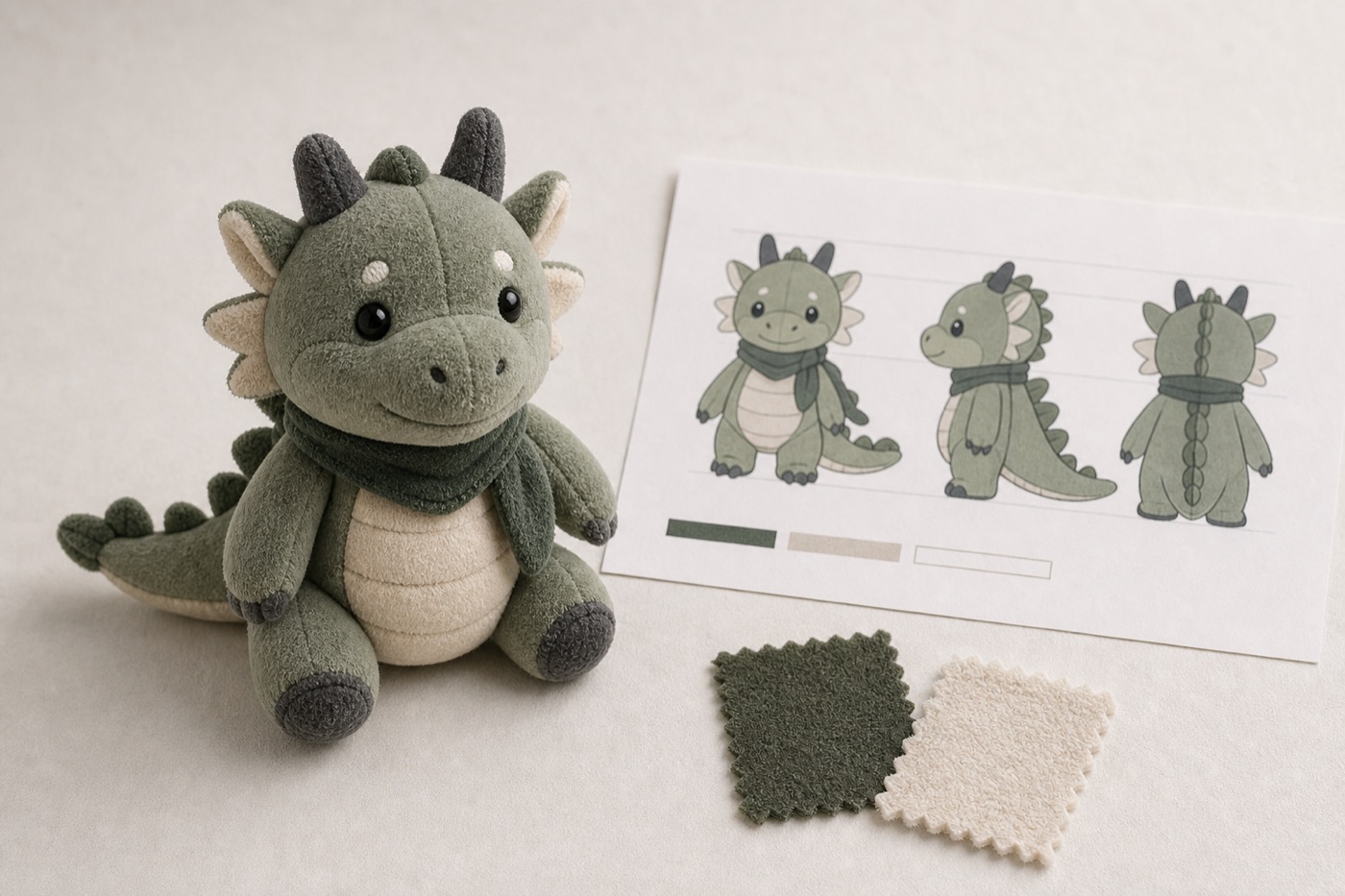
Expression-led, emotional-support characters with personality. The look that builds fandoms.
Develop this for your IP →Bring your character idea or target audience and we will map the sampling path, material direction, and packaging plan.