The "ugly-cute" effect: how imperfect characters build fandoms
How expression-led plush can make odd, emotional or imperfect characters feel more ownable.
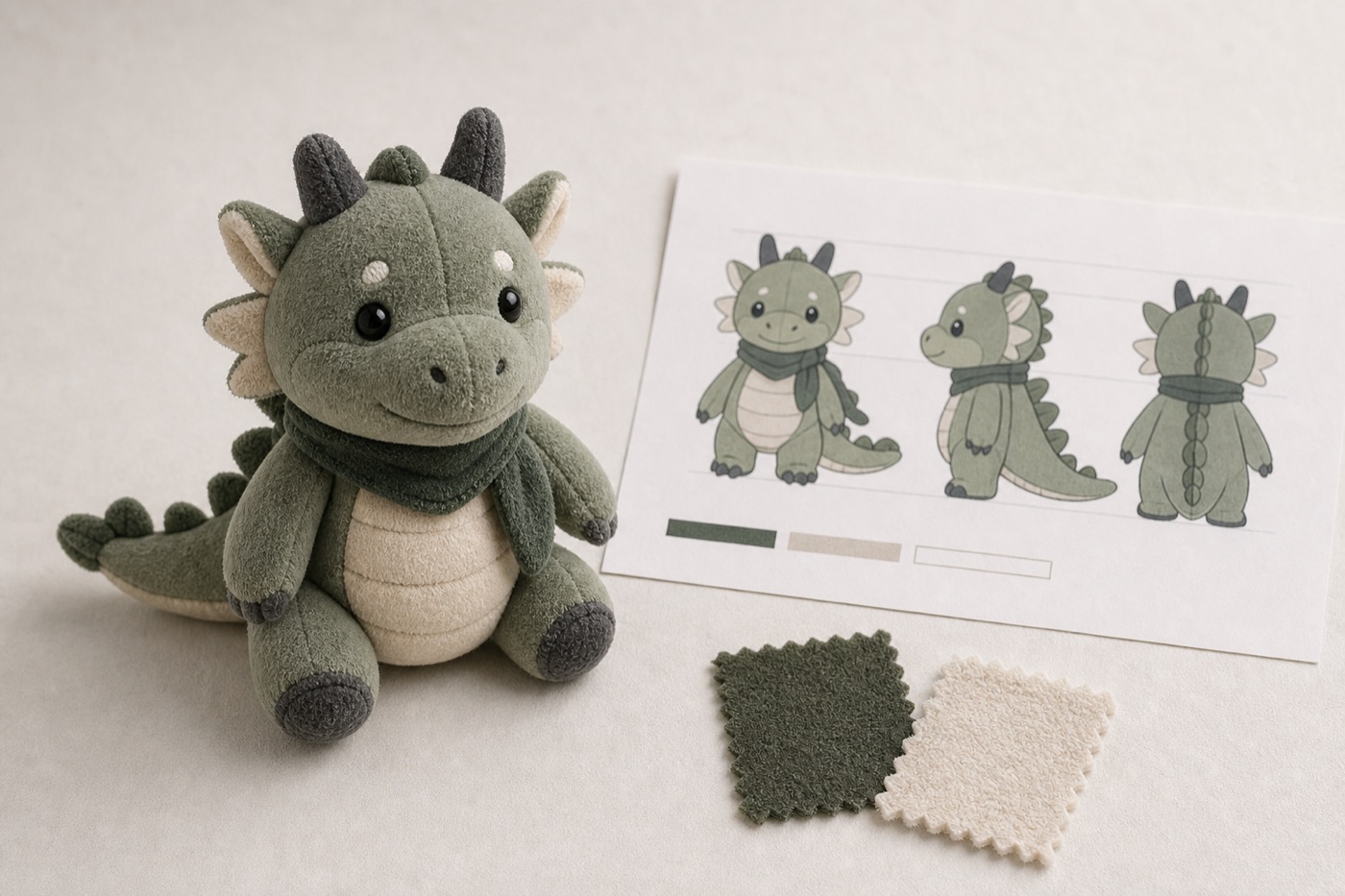
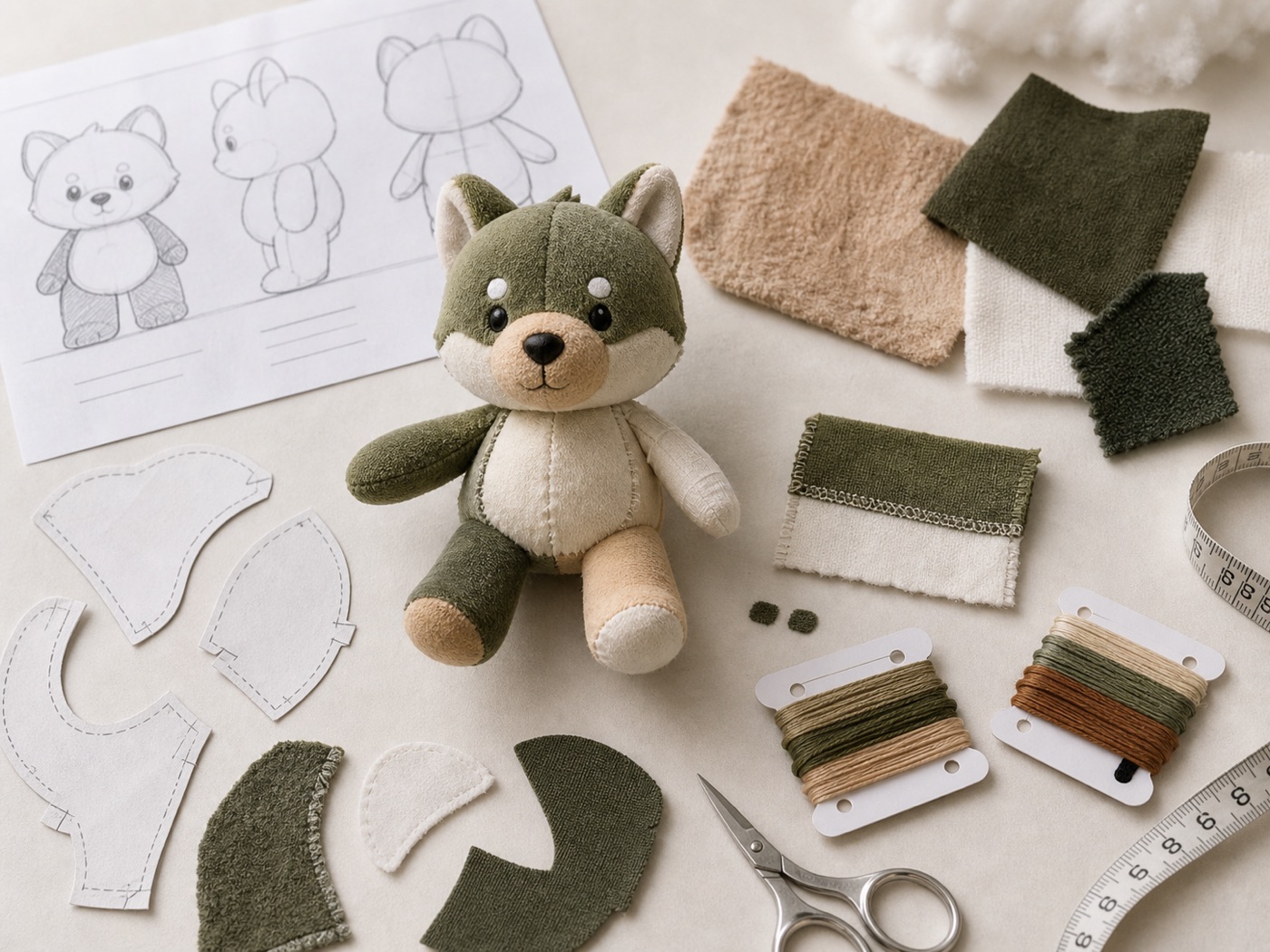
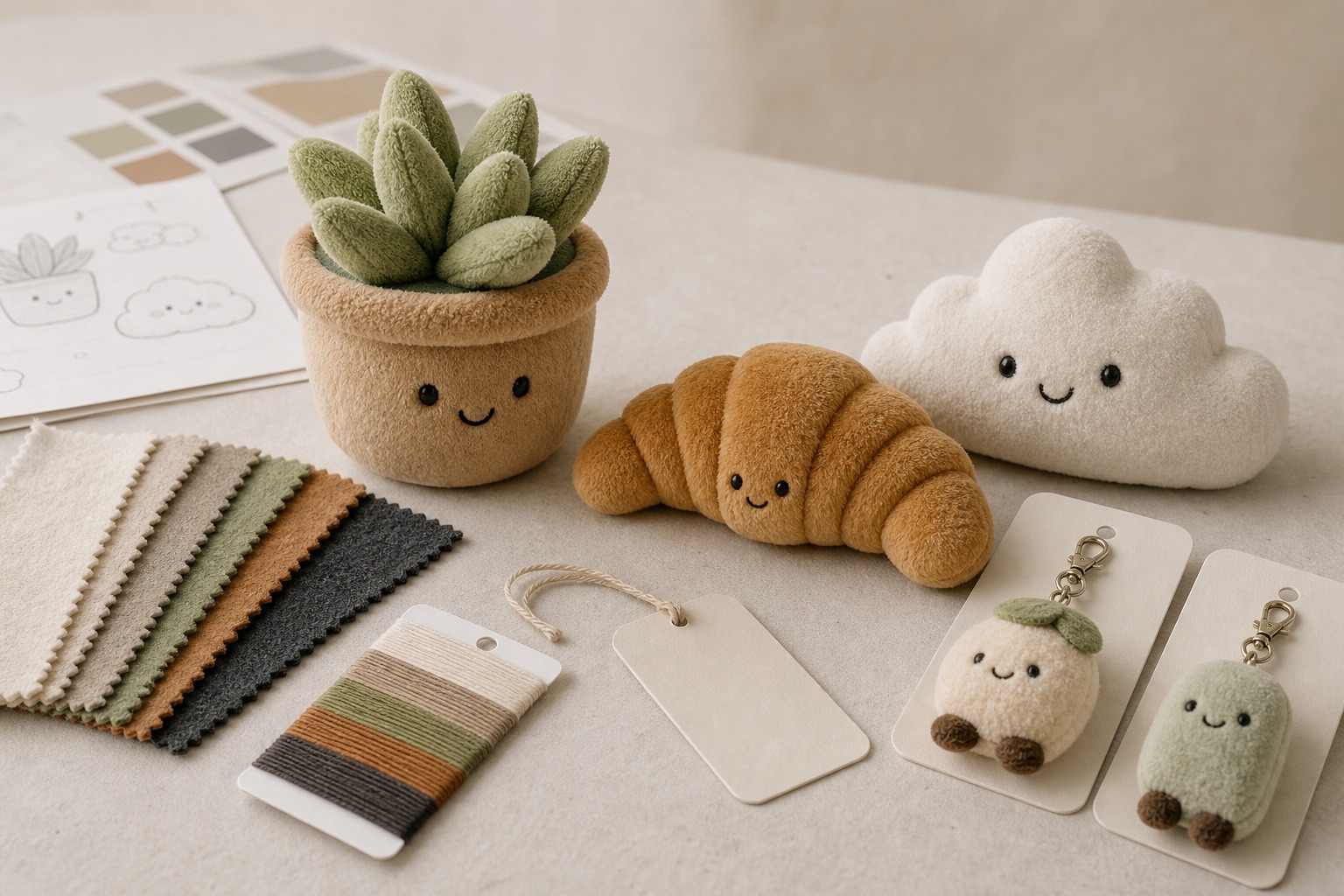
Ugly-cute plush works when the character feels specific, expressive, and emotionally recognizable. It should not be treated as random distortion; the face, silhouette, color, and story still need a clear sample brief.
Some plush characters are appealing because they are a little awkward, tired, lopsided, grumpy, shy, or strange. That style can give a buyer a stronger emotional hook than a perfectly polished mascot, but only when the oddness is intentional and the rights boundary is clear.
Why imperfect characters can feel ownable
A character with a specific mood is easier to describe and remember. The expression might be sleepy, anxious, proud, confused, or quietly cheerful. Those choices help the plush feel like a character with a point of view, not just a softened version of a common animal or object.
Intentional oddness vs broken design
- Face: asymmetry can be charming, but the sample still needs controlled eye placement, mouth shape, and expression.
- Silhouette: a strange proportion should be chosen for character, not created by unclear artwork.
- Color: unexpected palettes work best when the buyer can explain the mood or brand reason behind them.
- Texture: fuzzy, flat, ribbed, or mixed fabrics should support the character rather than hide construction issues.
Preserving expression in sampling
The brief should mark the face and posture details that cannot drift. For example, the buyer may care more about a tired eye shape than a tiny accessory, or more about a slumped body than exact color matching. Naming those priorities helps the sample review stay focused.
When this direction makes sense
Ugly-cute direction is strongest for original characters, creator merch, collectible drops, desk companions, gift-shop concepts, and brands with a clear tone of voice. It is weaker when the buyer only wants a safe generic animal, a copied reference, or a polished corporate mascot with strict brand-control rules.
Do not copy the reference
Ugly-cute direction often starts with mood references. Those references should be used to discuss taste, proportion, and emotional tone, not to reproduce someone else's character. Buyer-owned artwork, authorized assets, or an original character brief should guide the final sample.
Useful next links
Ugly-cute works best when the odd detail has a job: expression, memory, or brand character.