Why "make it cute" is not enough for a plush sample brief
A clearer plush sample brief turns taste words like cute, soft or premium into details a sample maker can actually review.
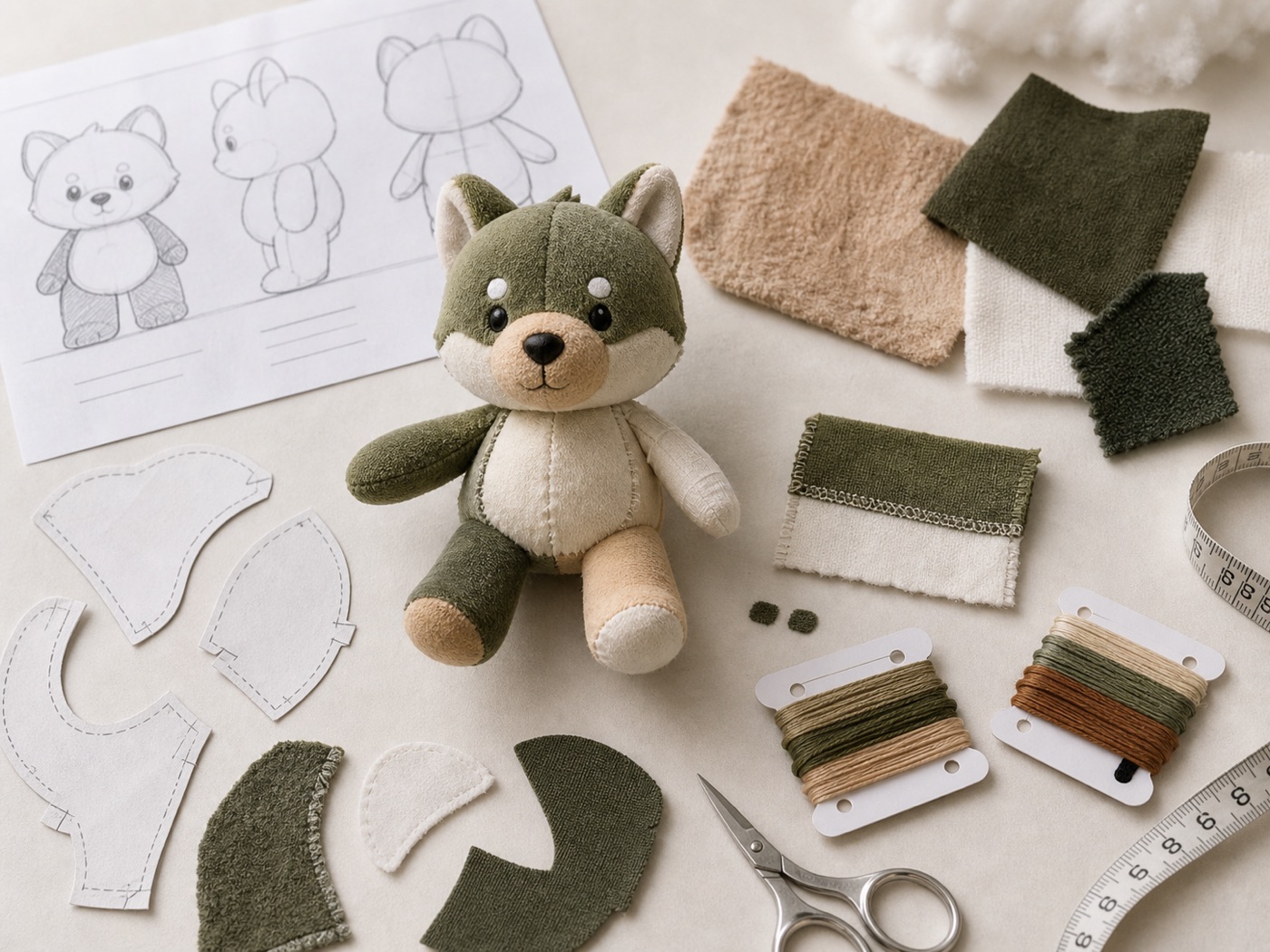
"Make it cute" is a taste direction, not a sample instruction. A better plush brief translates cute, soft, premium, funny, calm, or odd into visible details: face expression, body shape, fabric feel, size, color priority, and which details can simplify.
Many first plush briefs include words like cute, soft, premium, cozy, funny, collectible, or giftable. Those words are useful, but they are not enough for sampling. A sample maker still needs to know what the buyer means in the product: sleepy eyes, round body, short-pile fabric, tiny smile, stable base, simple tag, or a smaller charm format.
Turn taste words into visible decisions
Taste words should become sample decisions. If the buyer says cute, does that mean large eyes, small mouth, rounded limbs, soft colors, a shy pose, or a tiny accessory? If the buyer says premium, does that mean cleaner embroidery, restrained packaging, firmer shape, or a more polished hang tag? Naming the visible decision makes sample review easier.
Words that need translation
- Cute: translate into expression, proportion, color, pose, and one or two character details.
- Soft: translate into fabric handfeel, filling feel, body structure, and whether shape or squeeze matters more.
- Premium: translate into finish, packaging, detail control, and restraint rather than vague luxury language.
- Funny or odd: translate into intentional expression, silhouette, posture, and what should not look accidental.
Use must-keep and flexible lists
A practical brief separates must-keep details from flexible details. Must-keep may be the face expression, logo placement, character silhouette, or one color block. Flexible may be exact fabric texture, accessory scale, filling firmness, or packaging format. This gives the first sample a clearer target.
Common mistake
The common mistake is asking for a feeling without naming the part of the plush that should create that feeling. If the sample comes back wrong, the feedback becomes subjective. A better brief explains the visual or tactile detail that needs to change.
What to prepare before RFQ
- Mood references: use them to explain taste, not as designs to copy.
- Detail priority: name the face, body, logo, fabric, or packaging detail that matters most.
- Flexible areas: show what JWC can recommend or simplify during project review.
- Sample goal: state what the first sample should prove: expression, handfeel, size, shape, or packaging fit.
Useful next links
A taste word becomes useful when the buyer names the detail that should create it.