How to keep plush sample feedback from becoming scattered notes
A practical way for overseas buyers to keep sample comments focused on the details that matter most.
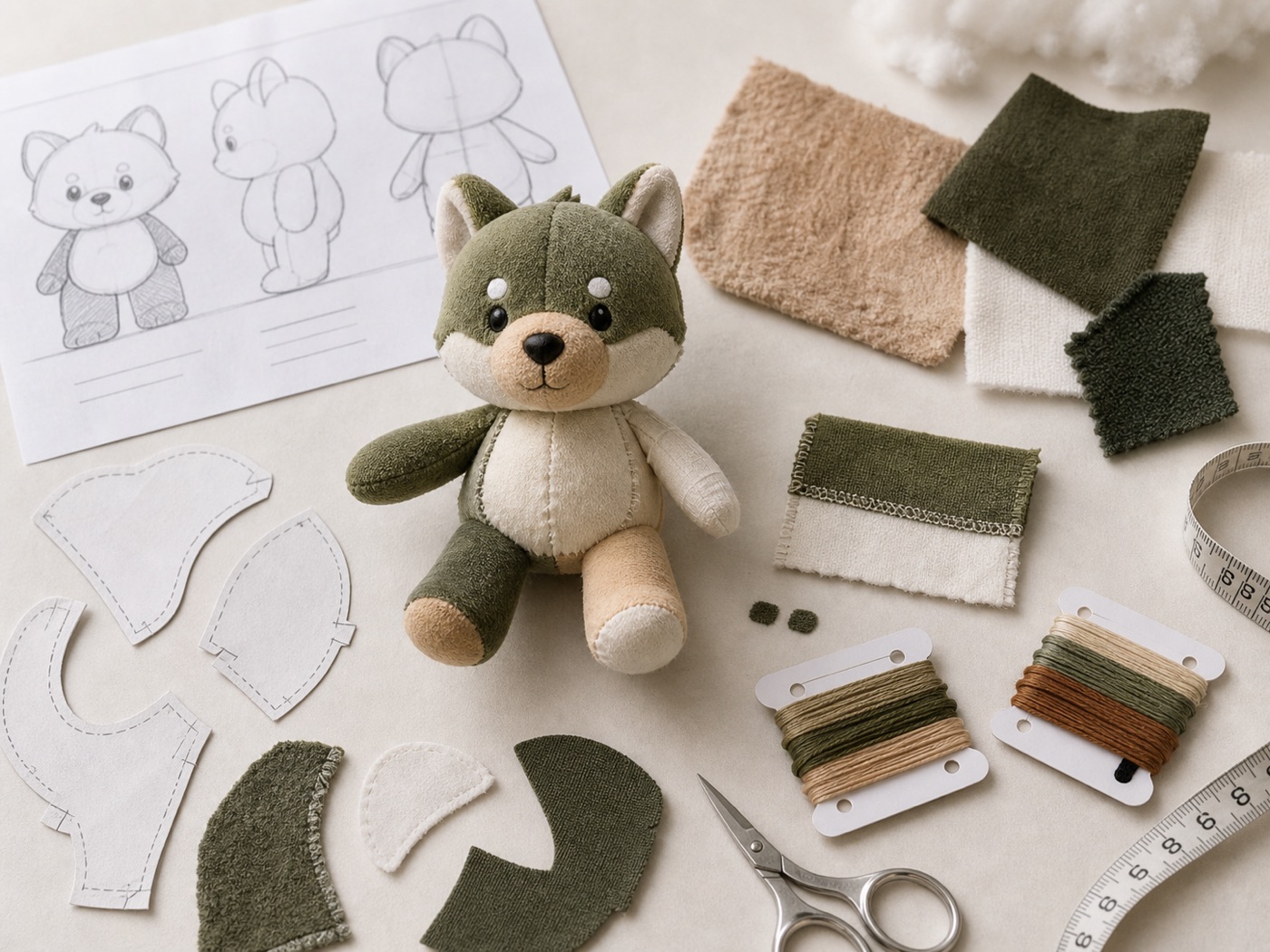
Plush sample feedback stays useful when the buyer separates must-fix items from optional preferences, comments against photos or videos, and explains what the next sample should prove. Scattered comments slow the project because the team cannot tell which changes carry the character and which are taste preferences.
Overseas buyers often review a plush sample through photos, videos, measurements and team comments. That can work well, but only if feedback is organized. When one person comments on the face, another on the fabric, another on packaging, and another on price assumptions, the next revision can become unclear before anyone starts changing the sample.
Start with the sample goal
Before writing comments, ask what the current sample was meant to prove. It might be expression, body shape, size, handfeel, embroidery, attachment, packaging fit or stakeholder approval. Feedback should first answer whether that goal was met before adding secondary preferences.
Separate must-fix from nice-to-change
- Must-fix: details that change character identity, safety-sensitive questions, major shape drift, wrong logo placement, or packaging assumptions that block review.
- Nice-to-change: small preference items that improve polish but do not decide whether the sample direction is usable.
- Open question: items where the buyer wants JWC to recommend a practical route instead of forcing a final instruction.
- Later stage: items better handled after the core plush body is approved, such as secondary packaging polish or extra variants.
Comment against visible evidence
The clearest comments point to a photo, angle, measurement or video moment. Instead of writing "the face feels off," mark the eye spacing, mouth angle or cheek position. Instead of writing "too soft," say whether the body loses shape, the filling feels too loose, or the fabric handfeel does not match the intended product.
Common mistake
The common mistake is collecting comments from every stakeholder and forwarding them as one long list. That makes every opinion look equally urgent. A stronger approach is to combine feedback into one buyer-side decision list with priority, evidence and the intended next-sample outcome.
What to prepare before sending feedback
- Priority list: mark must-fix, optional and open-question items.
- Photo references: attach marked images or name the angle where the issue appears.
- Decision owner: confirm whose feedback is final when internal comments conflict.
- Next sample goal: state what the next sample should prove after the revision.
Useful next links
Good sample feedback is not a longer comment list; it is a clearer decision list.