What buyers can learn from a plush sample video
How overseas buyers can use sample videos to review shape, posture, face details and open questions without replacing physical review.
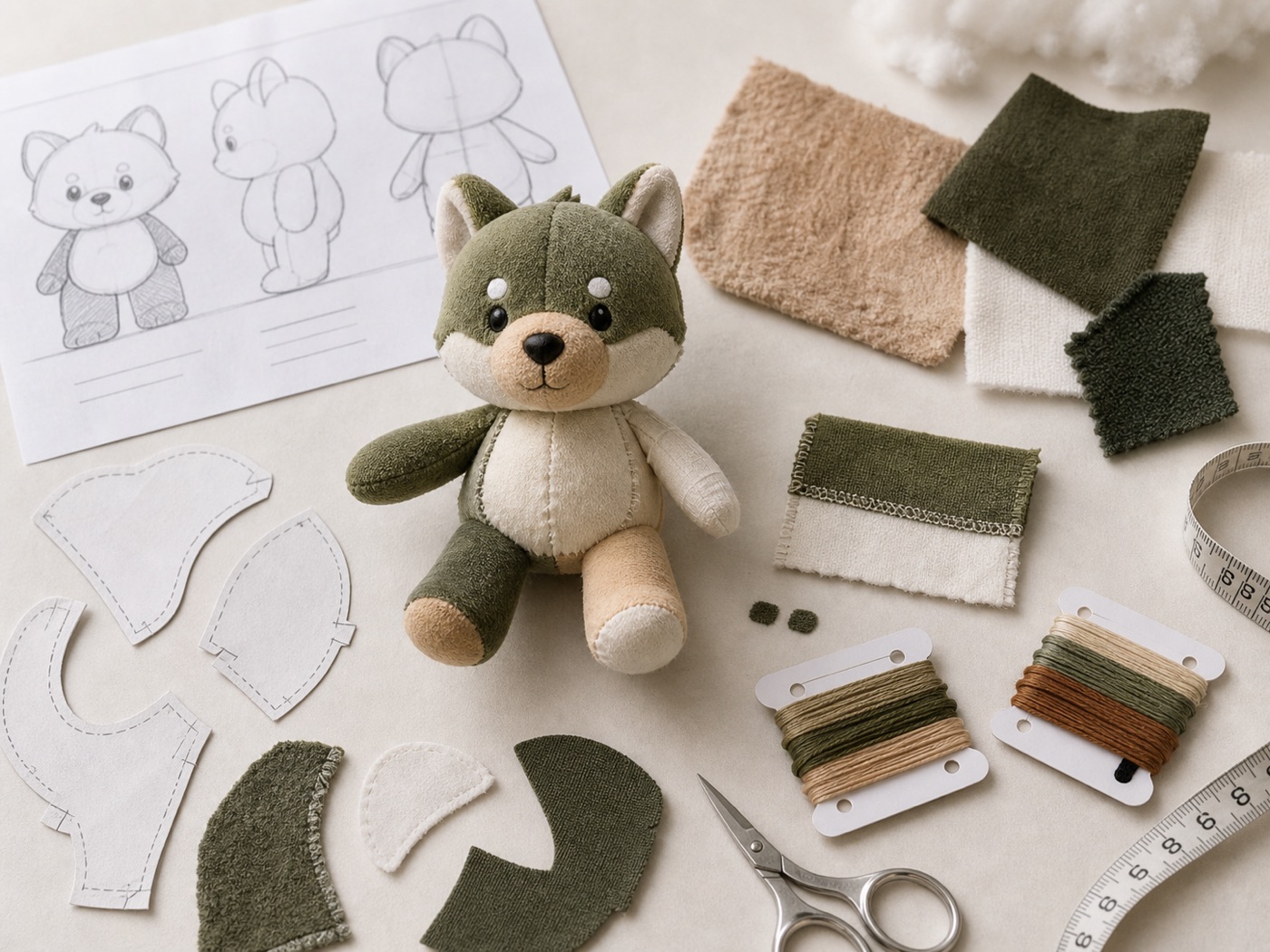
A plush sample video can help overseas buyers review shape, posture, expression, movement and proportion, but it should not replace physical sample review or formal inspection. Use the video to organize questions before the next feedback round.
Remote buyers often receive sample photos and short videos before a physical sample is shipped or before a revision decision is made. A video can reveal useful details that flat photos miss, but it can also hide fabric feel, color nuance and small workmanship questions.
What a sample video shows well
Video is useful for posture, side profile, body fullness, how the plush sits, how accessories move and whether the face changes at different angles. It can also show whether a mini plush hangs naturally or whether a larger mascot keeps its intended shape when handled.
What video may not show clearly
- Handfeel: fabric touch and filling feel are hard to judge without the physical sample.
- Exact color: lighting and screen settings can shift color, so video should not be the only color reference.
- Small stitches: tiny embroidery, seams and label placement may need close-up photos.
- Formal QC: a video is buyer feedback support; it is not a replacement for inspection scope.
Ask for views that match the decision
A useful sample video should match the buyer's current question. If the issue is shape, ask for front, side and back views. If the issue is small face detail, ask for close-ups. If the issue is a charm or keychain, ask to see how it hangs or moves.
Common mistake
The common mistake is replying with broad comments such as "looks wrong" or "make it better." Video feedback works better when the buyer names the exact frame, angle or movement that created the concern.
What to prepare before sending feedback
- Priority: shape, face, size, handfeel question, packaging fit or accessory movement.
- Evidence: marked screenshot, video timestamp, close-up request or comparison note.
- Decision level: must-fix, nice-to-change, open question or later-stage item.
- Next goal: state what the next sample or next video should prove.
Useful next links
A sample video is most useful when it turns a vague reaction into a focused feedback question.